
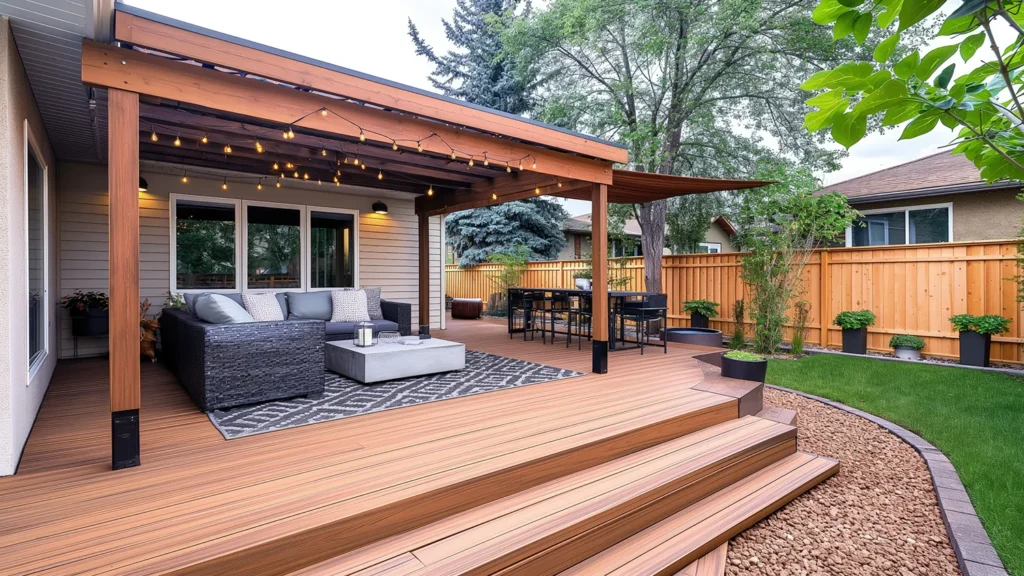
Your patio isn’t just a slab of concrete or a collection of pavers; it’s the heart of your home’s outdoor living space. It’s where summer barbecues sizzle, where quiet mornings are spent with a cup of coffee, and where countless memories are made under the sun and stars. But like any heavily used area of your home, time, weather, and wear can take their toll. If you find yourself avoiding your outdoor space or feeling less than inspired by its look, it might be time to think about a comprehensive patio renovation. This isn’t just about aesthetics; it’s an investment in your home’s value, your quality of life, and the functionality of your outdoor retreat.
Why Wait? The Subtle (and Not-So-Subtle) Signs You Need a Patio Renovation
The decision to renovate can be daunting, but often your patio will give you clear, unmistakable signals that it’s ready for a makeover. Ignoring these signs can lead to bigger, more expensive problems down the road.
1. Structural Distress and Safety Hazards
This is the most critical and non-negotiable reason for a patio renovation. Safety should always come first.
- Cracked or Crumbling Surfaces: For concrete patios, large, deep cracks can be signs of foundation issues, water penetration, or simply old age. For paver patios, severely chipped or broken stones not only look bad but create trip-and-fall hazards.
- Uneven Surfaces and Pooling Water: If your patio is constantly holding puddles after a rain shower, it indicates poor grading or shifting foundation material. This pooling water can cause structural damage to your home’s foundation over time, not to mention creating a slippery mess.
- Wobbling or Loose Railings: If your patio is raised or features steps, check the stability of any railings. Loose railings are a significant safety risk, especially for children or older adults. A renovation allows you to replace old, deteriorated materials with modern, durable options like aluminum or composite railing systems.
2. Visible Signs of Wear and Tear
While not a safety issue, the obvious deterioration of materials detracts significantly from your home’s curb appeal and your enjoyment of the space.
- Faded Color and Stains: With years of exposure to UV rays, weather, and spills, wood decks look grey and lifeless, and concrete or stone can become permanently stained. No amount of cleaning or power-washing can truly bring back its original vibrancy.
- Moss, Mildew, and Persistent Weeds: If weeds are stubbornly growing up through cracks in your pavers or if you constantly fight mold and mildew on the surface, it’s a sign that the underlying structure or jointing material is compromised. A full renovation lets you reset the base and use materials and sealants that inhibit biological growth.
3. Functionality Fails to Meet Your Needs
Did you purchase the home with the patio already there, or has your family’s lifestyle changed since it was installed? A patio that doesn’t serve your current needs is simply wasted space.
- It’s Too Small: If you’re constantly bumping chairs trying to host a gathering, or if there’s no space for a grilling station and a dining area, it’s time to expand. A renovation can be the perfect opportunity to rethink the footprint and flow.
- No Shelter or Shade: Modern patios often include pergolas, retractable awnings, or covered sections to make the space usable during bright midday sun or light rain. If your patio is unusable for large parts of the day due to direct sun exposure, you need a plan for coverage.
- Poor Layout or Flow: Does the patio placement make it awkward to get to the kitchen? Does it feel disconnected from your yard? A renovation can involve reorienting the space to improve traffic flow and integration with the rest of your outdoor and indoor areas.
Key Considerations During a Patio Renovation
Once you’ve decided a patio renovation is in order, the fun—and the planning—begins. A successful renovation hinges on careful consideration of materials, layout, and functionality.
1. Material Matters: Choosing the Right Surface
The material you choose will define the look, longevity, and maintenance requirements of your new patio.
- Interlocking Pavers: Highly durable and flexible, pavers are an excellent choice. They come in an incredible variety of colors, shapes, and textures (cobblestone, brick, flagstone lookalikes), allowing for unique designs. They also handle freeze-thaw cycles better than poured concrete because they can flex.
- Natural Stone: Materials like travertine, slate, or bluestone offer a luxurious, timeless, and organic feel. While more expensive, they provide exceptional beauty and durability.
- Poured Concrete: The most economical option. New techniques like stamping, staining, and adding exposed aggregate can elevate its look beyond the plain grey slab. It is extremely durable but is prone to cracking in climates with severe temperature shifts.
- Composite Decking (for raised areas): If your renovation involves a raised deck structure, consider high-quality composite materials. They require almost zero maintenance, never need staining, and resist fading, rot, and insects, making them a fantastic long-term investment.
2. Lighting and Ambiance: Setting the Mood
Don’t overlook the power of lighting. A well-lit patio transforms the space from a daytime area into a magical nighttime retreat.
- Task Lighting: Place focused light near the grill or dining table.
- Safety Lighting: Use subtle step lights and path lighting to ensure safe navigation.
- Ambient Lighting: Consider string lights, built-in wall sconces, or landscape spotlights aimed at trees and features to create depth and atmosphere. Good lighting design dramatically increases the hours you can enjoy your outdoor space. (For more ideas on transforming outdoor spaces, you can find inspiration on sites like HGTV.)
3. Integrating Functional Zones
Think about how you use (or want to use) your patio and divide the space into functional zones. This is where a renovation truly elevates your lifestyle.
- Dining Area: Needs to be near the kitchen or grilling station. Ensure there is enough space to pull chairs out without hitting a wall or planter.
- Lounge/Conversation Area: A space for deep seating, fire pits, or an outdoor fireplace. This area is about relaxation and comfort.
- Grilling/Outdoor Kitchen: Dedicate a specific, safe, and easily accessible spot for your cooking equipment, perhaps with a built-in counter for prep and serving.
4. Planning for the Future
A comprehensive patio renovation is the time to install utilities you might want later. This includes running gas lines for a built-in grill or fire pit, burying electrical conduit for future lighting or an outdoor TV, and integrating water lines for features like a fountain or an outdoor sink. Planning for future use now will save significant cost and effort later.
Ready to Elevate Your Outdoors?
A worn-out, unsafe, or poorly functioning patio is a roadblock to enjoying your home to its fullest. Recognizing the signs it’s time for an upgrade and then carefully considering your material and design choices are the first steps toward creating the custom outdoor retreat you’ve always envisioned. A patio renovation is a significant project, but the return on investment—in home value, functionality, and pure joy—is immeasurable.
Don’t let another season slip by watching your dream patio gather moss! If you’ve spotted any of these critical signs, the expert team at Elevate Promo is ready to help you plan, design, and execute a stunning patio renovation that perfectly matches your vision and budget.
Click here to schedule your free, no-obligation on-site consultation and take the first step toward your revitalized outdoor living space today!