
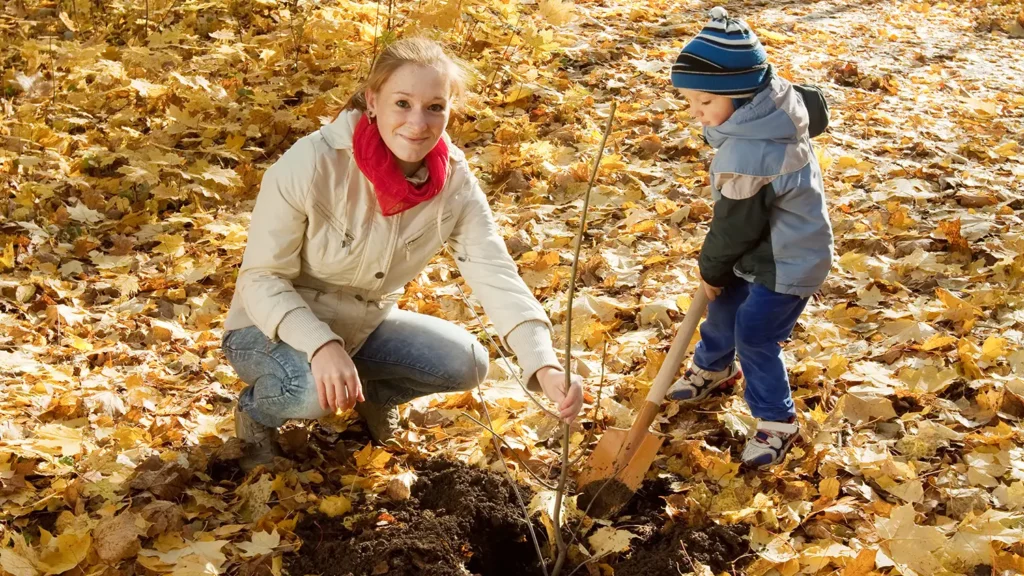
Autumn can be a wonderful season to plant trees and shrubs in Utah, though the ideal approach depends on your specific plant selections, site conditions, and local weather.
While crisp, cool afternoons make digging much more comfortable, a calendar date alone cannot guarantee that a new tree will thrive without proper preparation.
If you are exploring the options for fall tree planting in Utah, start by evaluating your landscape’s unique layout and the ongoing care you can provide after installation. Every young plant requires consistent watering and adequate time to settle into its new home. To learn more about broader landscape enhancements, feel free to explore our Residential services.
Why Fall Planting Can Work
As summer’s intense heat softens, newly installed plants experience significantly less stress, making autumn the best time to plant trees Utah offers for many property owners. Because soil temperatures remain warm and workable long after the air cools, roots enjoy a crucial window for steady growth before winter arrives.
USU Extension highlights that fall planting is highly effective for a wide variety of tree species, while emphasizing the critical need for deep watering during dry autumn stretches. Cool weather creates favorable conditions, but it does not replace the essential moisture a fresh transplant requires.
Planning your fall tree planting in Utah also provides a prime opportunity to review how your landscape endured the summer months. It offers a clear perspective on where your yard needs extra shade, privacy, or structural balance.
Look at Soil Conditions Before the Calendar
Before planting, ensure the target soil is healthy, workable, and suited to your chosen species. Issues like frozen ground, heavy soil compaction, or poor drainage can quickly compromise new root growth.
Optimal conditions for tree planting Northern Utah properties encounter will vary depending on elevation, sun exposure, and micro climates. A sheltered neighborhood in the valley and a wind-exposed foothill lot often require very different planting schedules.
Avoid rushing installation simply to take advantage of end-of-season nursery sales. Always verify whether a specific tree or shrub thrives with autumn planting in your location, or if waiting until spring would yield better results.
Choose for the Mature Landscape
Look beyond how a sapling looks on planting day and picture its full footprint over time. Its mature canopy width and height should comfortably clear structures, power lines, walkways, and neighboring garden beds.
Observe light patterns across your property throughout the day and as seasons shift. A shady north-facing nook requires a completely different plant variety than a sun-drenched southern exposure next to a stone wall.
Soil quality, drainage capacity, cold hardiness, and water demands should all dictate your plant selection. Selecting specimens naturally adapted to your site saves substantial effort and maintenance down the road.
Always schedule a local utility check before breaking ground to identify underground lines and confirm any property easements.
Plan Watering From the Start
Because young root systems are confined to a compact area, standard overhead lawn sprinklers rarely deliver sufficient water directly to the root ball. Design a dedicated watering method specifically for your new additions.
Adjust your watering routine based on current weather, soil moisture levels, and plant needs. Relying on automated timer schedules or assuming natural rainfall is enough can lead to under- or over-watering.
Monitor soil moisture closely as temperatures drop, continuing to hydrate plants during dry spells right up until the ground freezes. Aim for deep, consistent moisture while carefully avoiding soggy, waterlogged conditions.
Give New Plants Appropriate Protection
Applying a healthy layer of organic mulch helps regulate soil temperature and retain vital moisture. Keep mulch a few inches clear of the main trunk to expose the root flare and prevent moisture buildup against the bark.
Young or tender plants may benefit from protective barriers against harsh winter winds, hungry wildlife, or scald from reflection off snow. Tailor your winter protection to the vulnerability of each specific variety.
Hold off on heavy pruning or high-nitrogen fertilizers immediately after planting, as these can trigger delicate new growth late in the season. Allow the plant to focus its energy entirely on root development.
Connect Planting to the Larger Design
Request a consultation with Jones Outdoors today to explore your property, outline your planting goals, and craft a tailored landscape plan. The journey to a thriving yard starts with understanding exactly what your landscape needs.
Placing a tree where a future patio or pathway is planned leads to costly layout changes later. Likewise, newly established planting zones often benefit from specialized drip zones distinct from turf irrigation.
Our team specializes in professional Trees & Shrubs installation alongside comprehensive Landscape Design services to help harmonize these elements. Perfect timing is essential, but thoughtful long-term layout ensures lasting success.
Plan the Right Plant in the Right Place
Whether you are focus on planting shrubs in fall or introducing centerpiece trees, new additions shine brightest when integrated into cohesive fall landscaping Utah plans. Consider how plant beds align visually and functionally with patios, retaining walls, walkways, and future outdoor features.
Frequently Asked Questions
Can shrubs be planted in fall?
Yes, autumn is a fantastic time to plant many deciduous and evergreen shrubs, provided they receive proper watering and protection before winter sets in.
Do newly planted trees need fall watering?
Absolutely. Newly planted trees need deep, consistent hydration throughout the fall, particularly during dry spells right up until the ground freezes for the season.
How long do roots need to establish before winter?
Root growth continues whenever soil temperatures remain above freezing. While complete establishment takes a full season or more, several weeks of fall growth give plants a strong head start for spring.
Should every tree be planted in fall?
Not necessarily. While many trees thrive when planted in the fall, certain sensitive or late-waking species respond better to spring installation depending on your local climate zone.